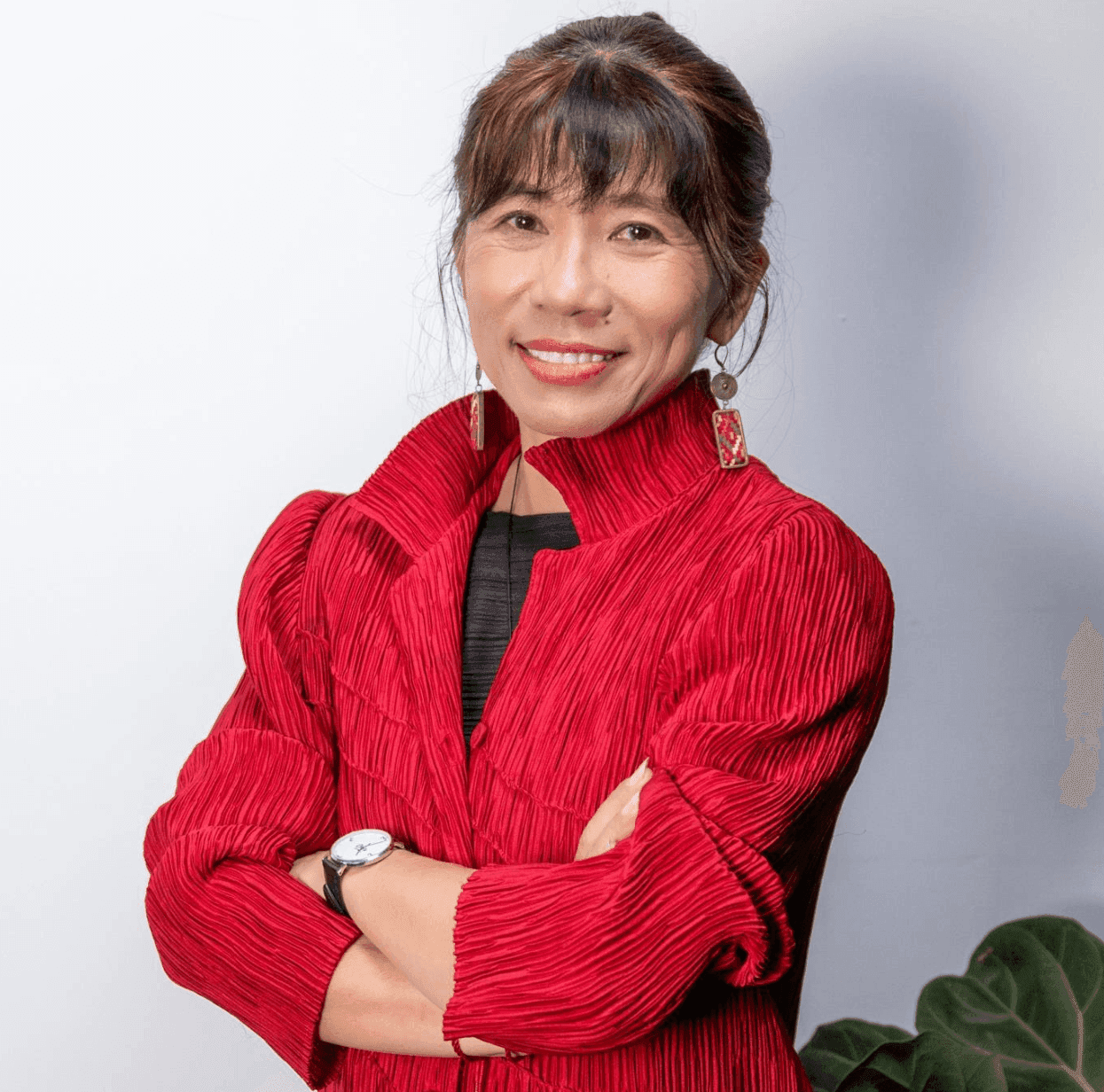

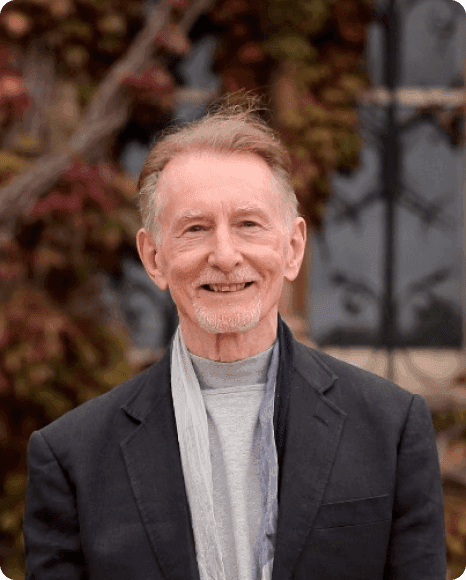
Dr Stephen Whitehead is a British sociologist, author, and cultural commentator whose work spans more than three decades and has helped shape international conversations on gender, identity, leadership, and social change. He is widely recognised as an expert on masculinity, femininity, inclusivity, and organisational culture, and brings this depth of insight into his academic work, writing, and public engagement.
His scholarship and public-facing work bridge sociology, psychology, education, and cultural theory, focusing on how social norms, power, and institutional structures shape individual experience. Dr Whitehead first established himself as a leading voice in gender studies through influential early texts on men and masculinities, including Men and Masculinities and The Masculinities Reader, which remain widely cited in the field.
Across his career, Dr Whitehead has authored or co-authored more than twenty books, many translated internationally. His work spans academic research and accessible analysis, including “Many Faces of Men”, ‘Toxic Masculinity: Curing the Virus”, “Design Your Self: 21 Life Lessons”, “The End of Sex: The Gender Revolution and Its Consequences”, and “Total Inclusivity at Work”. In late 2026, he will publish “Where Have All The Good Men Gone? Independent Femininity and the Reordering of Intimacy”, a co-authored book with Constanza Fernandez Arce, examining contemporary relationships, new gender identities, and the structural forces reshaping intimacy and connection.
Dr Whitehead’s work consistently returns to a central concern: what happens to individuals when the social rules they were taught no longer fit the world they inhabit? This question underpins his writing on masculinity, feminism, organisational culture, and the growing divergence between men’s and women’s lived experiences in contemporary society. He is known for resisting simplistic answers, instead emphasising nuance, context, and the complexity of lived experience.
He began his academic career in the United Kingdom, where he served as Senior Lecturer and Programme Director in education and sociology at Keele Univesity, and later held visiting and consultancy roles internationally. Since 2009, he has been based in Thailand, working across Southeast and East Asia while continuing to collaborate globally with universities, schools, organisations, and cultural institutions.
Alongside his academic and publishing work, Dr Whitehead is the Organisation and Leadership correspondent for “The European” magazine, contributing commentary and analysis on gender, society, and cultural change.
As co-founder of Cerafyna Technologies, Dr Whitehead brings this humanistic and sociological grounding into the design of ethical AI companions. Cerafyna reflects his long-standing belief that technology should support reflection rather than instruction, understanding rather than persuasion, and individual autonomy rather than dependency.
Further information: